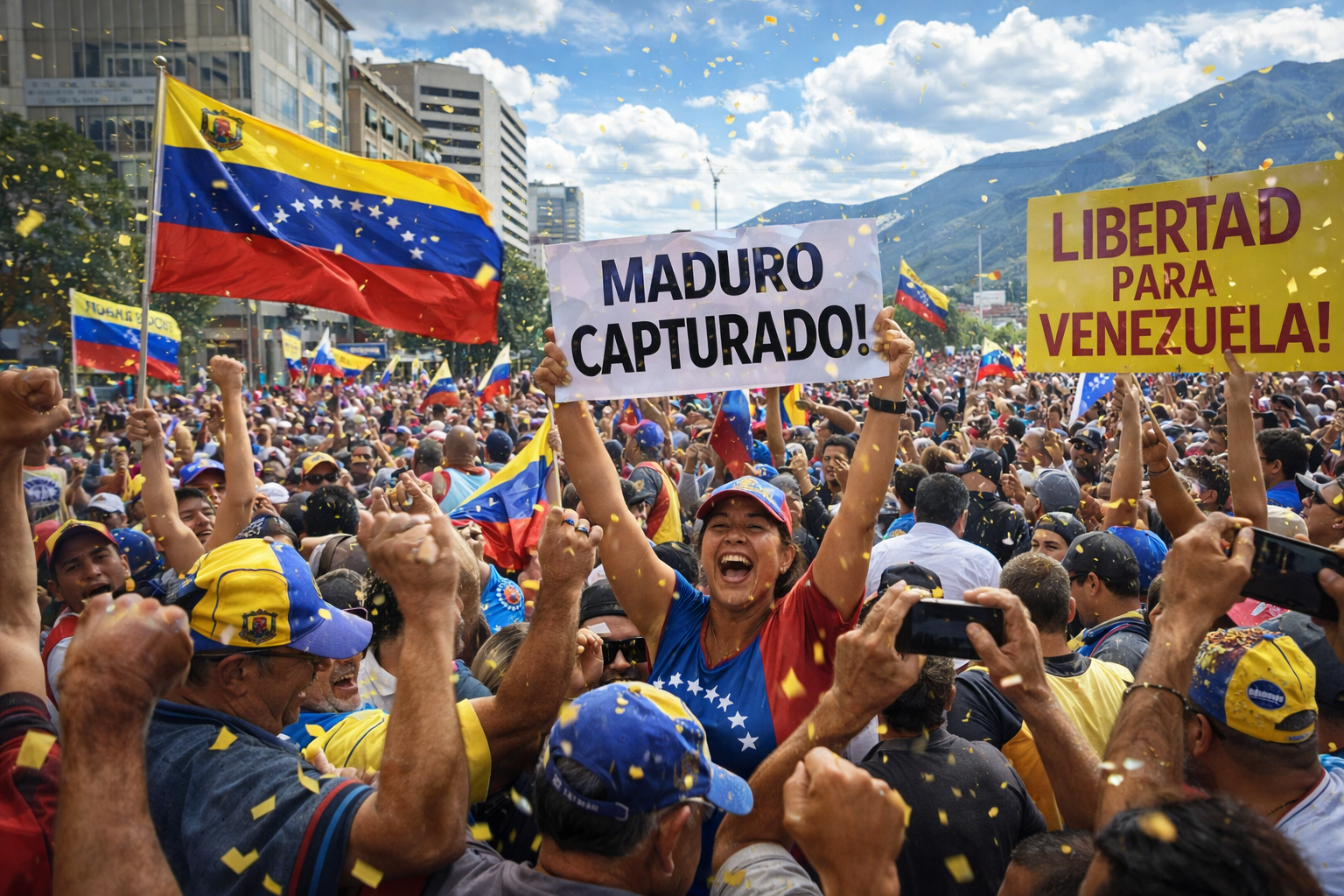


After the capture of Maduro, the Trump administration appears to be pursuing a concept of regime modification rather than total regime change. It is an alternative to the cases in Iraq and Afghanistan where the entire Baath Party and Taliban regimes were disbanded with the United States taking control and attempting to rebuild from scratch. Regime modification aims to remove the kingpin and hopes to work with the rest of the existing governance/security infrastructure using the threat of further American actions to compel compliance. I don’t know if it will ultimately work, but it is worth a try given the alternatives.
Panama was the last fairly successful regime change we pulled off without needing a major long term U.S. presence. Since then out odds have not ben good.
For example, the American mobs of the 20th century largely worked on what I call the “uncle Guido Approach.” Cousin Vito has a territory in a city — let’s say Chicago, Philly, or New York as examples — Uncle Guido, a more powerful gang leader, covets the territory. Guido directs the assassination of Vito. Once Cousin Vito is face down in the pasta, Uncle Guido makes Vito’s capos and sub-capos an offer they can’t refuse. Stay in place and run your territory just like before; except you pay your cut to Uncle Guido instead of Cousin Vito. Everybody profits if they play ball, but capos know that if they don’t, they are headed for the pasta too. In other words, ‘nice little deal you have here; it would be a shame if somebody messed it up.” Except in cases where Uncle Guido got too greedy, the model worked fairly well until the Feds seriously cracked down.
I am not suggesting moral equivalence here between the mob and what we are trying to do in Venezuela, but I am using the analogy as a simplified example of what we appear to be trying in Caraccas today. I don’t think any of the major government and security force players in the current regime will suddenly find Jesus and change their ways, But I think the Trump administration is hoping that rather than fight the program with a guerilla war, most will quietly begin to plan an eventual retirement out of the country once free and fair elections can be held. Having seen the alternatives of nation building from scratch first hand in Somalia, Iraq, and Afghanistan, regime modification appears to be worth a try.
The problem hare is that there is enormous money in both oil and the drug trade; once the fox has been in the chicken coop, it is hard to keep him out. Consequently, there are several things that could go wrong here.
First, we could see an independent communist/socialist group arise to start an insurgency that the government can’t handle. Second, existing government and security force elements could appear to be cooperating but secretly use drug and oil money to fund a FARC-like insurgency. A third possibility is that a post-election government would not be strong enough to govern without significant U.S. intervention. Any of these alternatives would be problematic and might require U.S. forces to deal with the situation on the ground for a long period. Time will tell if any of these approaches arises. Panama was the last fairly successful regime change we pulled off without needing a major long term U.S. presence. Since then out odds have not ben good.
At any rate, we have crossed the proverbial Rubicon regarding Venezuela. The Cousin Guido option of regime modification is certainly worth a try. I am not sanguine, but the alternative is the Colin Powell Pottery Barn rule. “You break it, you bought it.
READ MORE from Gary Anderson:
Stop Building Battleships, Start Building Fear
Learning From the Past, Leading in the Present
Rules of Engagement and Command Decisions
Gary Anderson had experience with nations building in Lebanon as a UN Observer in Lebanon and as a military advisor in Somalia. He also experienced nation building as a State Department civilian advisor in Iraq and Afghanistan