


Despite all the congratulations and fanfare, the capturing of Maduro and wife may not have produced the effect many have assumed.
Everything went well in Donald Trump’s Venezuela operation. An alleged narcoterrorist dictator was captured and brought before the bar in a New York court. Moreover, Venezuela and the world’s largest oil reserves are now controlled by the US — at least, according to Trump.
If Trump wants to actually take control of Venezuela’s oil wealth, capturing its autocratic leader and seizing oil tankers won’t necessarily accomplish that.
The problem is, not everyone agrees: Big Oil doesn’t see it quite that way. The chief executives of Exxon/Mobil and Conoco/Phillips were clear: they are not inclined to rush back into Venezuela.
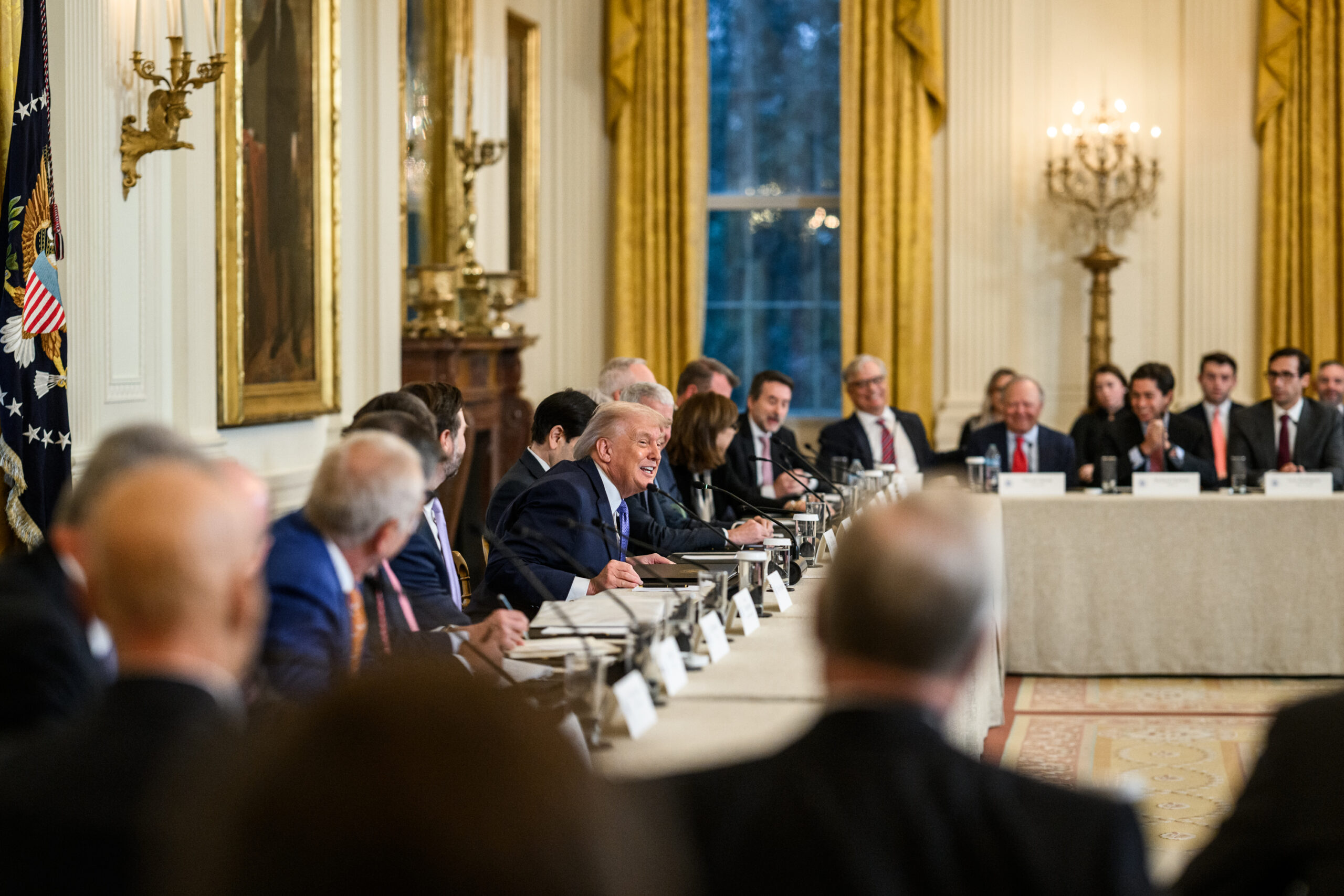
Trump called the oil chiefs to the White House last Friday to urge them to invest $100 billion in upgrading Venezuela’s petroleum and gas industries. Decades of U.S. economic sanctions are thought to have caused the country’s industrial infrastructure to deteriorate.
There is a history between the U.S. oil giants and Venezuela’s previous two presidents; and it’s not a pretty picture. Venezuela’s oil business (essentially developed by Big Oil) was nationalized between 2004 and 2007 by former socialist President Hugo Chavez — a policy continued under his successor, Nicolás Maduro.
With operational control and authority placed in the hands of state-owned Petroleos de Venezuela (PDVSA), Exxon/Mobil and Conoco/Phillips ceased operations in the country. Both U.S. oil behemoths subsequently brought suit against the State of Venezuela in U.S. courts; the latter ruled that Venezuela owes the U.S. companies damages amounting to $13 billion in expropriated assets, while overall debts are significantly higher — $150-$170 billion. The third largest U.S. oil company, Houston-based Chevron, chose to continue its operations and do business in Venezuela in partnership with PDVSA.
At the White House oil summit last week, Exxon/Mobil’s and Conoco/Phillips’s executives told the U.S. president that they were not ready to resume operations and investment in Venezuela, because essentially the risk was too great relative to the investment required.
Exxon/Mobil boss Darren Woods described Venezuela in disparaging terms. Woods said: “We have a very long history in Venezuela…. We’ve had our assets seized there twice.” He added: “If we look at the legal and commercial constructs and frameworks in place today in Venezuela, today it’s uninvestable.”
Exxon/Mobil’s comments were echoed by Conoco/Phillips’s boss, Ryan Lance. The comments from Big Oil reflect the reality on the ground in Venezuela. Due to its immense wealth and influence, the industry has its own assessment capability involving “intelligence assets” around the world, especially in hot spots like Venezuela and Iran.
What this means is that Venezuela and its oil is not necessarily under U.S. control, and thus some distance from recent comments emanating from the White House and the media.
The dictatorial leader of the Venezuelan regime may have been abducted, but the Venezuelan government continues under former vice president and current interim President Delcy Rodriguez (a protégé of Maduro) — it is the same administration as when Maduro was in office. Rodriguez and her top aides, including Defense Minister Vladimir Padrino, have been outspoken, condemning the U.S. aggression — demanding the safe return of Maduro and his wife.
Venezuela has neither collapsed nor capitulated, and its socialist government has not been overthrown. The scores of warships, over 150 aircraft and 15,000 troops, as well as special operations commandos deployed to extract Maduro, have been successful no doubt — but success needs to not develop into a Pyrrhic victory for President Trump.
From the viewpoint of Big Oil, it’s not “mission accomplished.” To categorize the situation in Venezuela as “uninvestable” is the corporatist way of saying, there was no change in the government of Venezuela sufficient to give the oil companies what they want — substantive US control over Venezuela’s hydrocarbon wealth without the risk of losing their investment for the third time.
Big Oil backed Trump’s election campaign in 2024. But from what the chief executives are telling the president — he failed to deliver enough for them to feel confident about returning to the South American country.
Trump’s obviously irritated reaction to Big Oil’s rebuff at the White House was not surprising. On returning to Washington from Florida this week, the president was asked by reporters about Exxon/Mobil’s reticence to invest upwards of $100 billion into a country that still owes them $13 billion from previous asset seizures. His response to reporters on Air Force One: “I didn’t like Exxon’s response … they’re playing too cute.” As a sign of his displeasure, Trump said he would block Exxon/Mobil from returning to Venezuela in the future.
What President Trump didn’t like was Big Oil tainting his “political victory” concerning the success of the Venezuela operation. But this need not have occurred. Those charged with the responsibility of advising Trump should have cautioned him to heed the concern of any lawyer: “never ask a question the answer to which you do not want.” Big Oil should have been given a heads-up regarding Trump’s proposed $100 billion investment scenario just to make sure everyone was on the same page. Obviously, they were not, and President Trump was on the receiving end of Big Oil’s rebuke at a major White House event in front of the American people. From this point forward, President Trump needs to be cautious with statements about Venezuela.
Spectacular though it was, the military assault to snatch Maduro did not change the government in Caracas. “I’ve seen caricatures on Wikipedia about who rules Venezuela,” Venezuelan interim President Delcy Rodríguez said. “Well, here there is a government that governs Venezuela. Here there is an interim president, and there is a president held hostage in the United States,” she added.
Rodríguez said her government was reaffirming Venezuela’s sovereignty and independence while continuing to pursue international relations “based on respect and within the framework of international law” to defend the country’s rights.
The executives from Big Oil seem to be in agreement with Rodriguez’s assessment and at odds with the White House.
If Trump wants to actually take control of Venezuela’s oil wealth, capturing its leader and seizing oil tankers won’t necessarily accomplish that. The U.S. president may very well need to send U.S. troops into the country in numbers sufficient to overwhelm the existing Venezuelan government. No doubt the U.S. military can accomplish that task and even install a new regime. But this will take time and likely come with huge, and potentially significant political and military costs.
Is Trump willing to embark upon his own Iraq or Vietnam war – risking an untenable defeat in the U.S. midterm elections as Americans focus on “bread-and-butter” — not “bombs-and-ballistics”?
READ MORE from F. Andrew Wolf Jr.:
The Smart Way to Get Greenland
Trump’s First 12 Months: The Economy, Venezuela, and the American Electorate
Britain’s New Economic Policy: Get Used to Being Worse Off



















