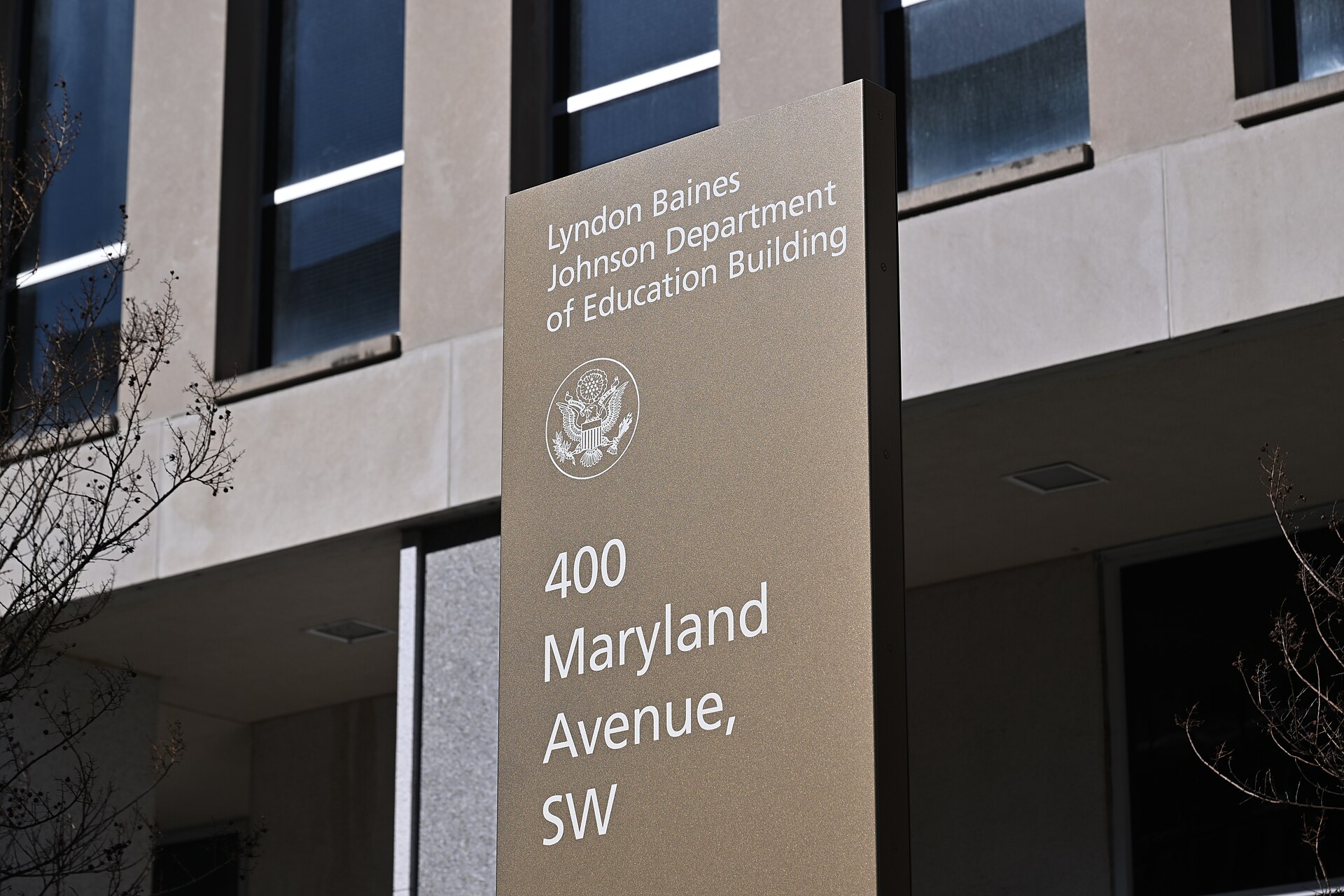


On June 29, the Department of Education finalized a bare-minimum standard for colleges that want access to federal student loans: prove the degree is worth something.
Under the Student Tuition and Transparency System (STATS) and Earnings Accountability rule, undergraduate programs will be “required to demonstrate that their graduates earn more than the typical high school diploma holder.” Graduate programs must clear a similar bar by showing that their graduates earn more than the typical bachelor’s degree holder. If a program fails that earnings test in two out of three consecutive years, it loses eligibility for the federal direct loan program.
The rule does not demand that colleges make every graduate rich. It is asking them to show that there is any financial return on investment at all for graduates of programs financed by taxpayer-backed loans. If a program consistently fails the earnings test for three years, the Department could also “terminate eligibility for Title IV of the Higher Education Act (HEA)” for all of an institution’s low-earning programs.
The federal government is not arbitrarily weighing in on the higher-education market by putting in place a bare-minimum standard for education outcomes. It — and by proxy, the American taxpayer — is one of the largest financiers of higher education. The Department reports that the federal student loan portfolio currently stands at $1.7 trillion, “with high and rising rates of default and delinquency.”
Washington has, for years, guaranteed loans with taxpayer money upfront for degrees that often fail to deliver on their advertised value. Students are left carrying hefty debt, and colleges keep the tuition revenue whether or not their programs produce “sufficient financial return on investment.” The new rule asks institutions to have some stake in ensuring their programs are not leaving graduates with credentials not worth the paper they are printed on.
Higher-education groups, predictably, are not thrilled. The American Council on Education and other associations have warned that the new rule framework relies on “flawed metrics” and an “inadequate implementation timeline,” with 2027 being the first year the rule will be applied. The objections do have some merit, especially about the decision to tie the accountability standard to the median earnings of individuals aged 25-34, when many undergraduate degree holders are trending younger. Comparing a 22-year-old’s earnings to a 32-year-old with workforce experience could certainly distort the data.
But the standard being asked of colleges is modest. Colleges are free to argue that education has moral and civic value beyond wages; With the exception of degrees like Gender Studies, it does. But students generally do not take out federal loans for those abstract ideas. Students borrow on the promise that a degree will improve their careers and future, and colleges charge tuition on that same assumption. If an institution wants its programs to benefit from federally funded loans, it should have to prove that the promise is not an empty one.
READ MORE from Henry Zavalick:
The Ruins of Chavismo As Seen in Venezuela’s Earthquakes
Kalshi Brings Insider Trading to the Ballot Box
Congress’s Iran War Vote Is More Symbol Than Law
Image licensed under Creative Commons Attribution 4.0 International.