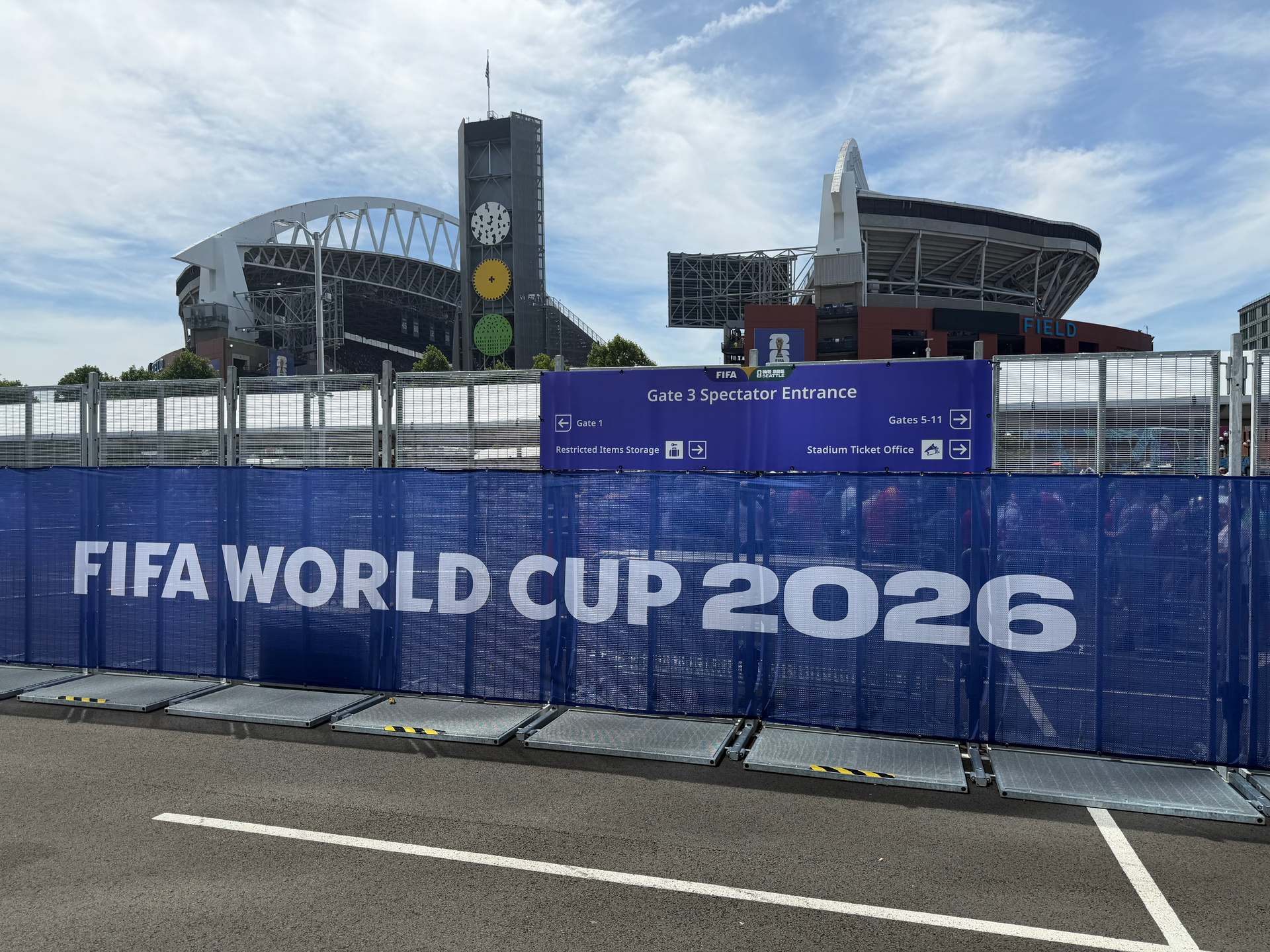


The ongoing 2026 World Cup, jointly hosted by the United States, Canada, and Mexico, has so far been a historic success. For nearly four weeks, the three countries have shared the responsibility of hosting 104 matches and millions of visitors in their stadiums, airports, hotels, and cities. The United States’ strong performance has even increased many Americans’ interest in soccer.
Continuing through most of July, the tournament has been an exciting moment of global celebration. The tournament’s unprecedented size, however, has a darker side: It also offers an extraordinary scale of opportunity for human traffickers.
Large crowds of unfamiliar visitors, booming hospitality demand, temporary laborers, and local infrastructure stretched beyond its capacity can all allow criminal activity to blend into the background of the World Cup. These conditions, in combination with the duration of the tournament, can make it easier for traffickers to move victims and money while remaining largely out of sight.
That does not mean the World Cup has created trafficking networks out of thin air. Human trafficking is a crime perpetrated every day around the world, not something that appears only when a championship game happens. Still, the International Justice Mission describes major sporting events as “notoriously susceptible to sex trafficking” because of the demand of crowds, money, and travel surrounding them.
Consider the Super Bowl, America’s largest annual sporting event. Super Bowl LX drew a television audience of more than 125 million people when it was held in the San Francisco Bay Area in February. During the two weeks before the game, a regional human-trafficking task force conducted nearly 40 operations, recovered 73 victims, and arrested 29 alleged traffickers. Ten minors were victims.
The Super Bowl is a single championship game held in a single city on a single day. The risks it carries for exploitation draw many watchful eyes of law enforcement every year. The World Cup is a nearly six-week event spanning 16 host cities with millions of fans arriving from around the world. The ability of a tournament on the World Cup’s scale to amplify existing trafficking and exploitation cannot be underestimated.
Trafficking can be concealed within hotels, short-term rentals, restaurants, nightlife businesses like bars or strip clubs, and even temporary labor arrangements required by the tournament. The threat is not limited to sex trafficking. Workers recruited to meet sudden demand can also be subjected to withheld wages, threats, or “restrictions on their movement.”
Awareness and coordination are essential to preventing trafficking from slipping through the cracks. The Department of Homeland Security’s Blue Campaign has urged law enforcement, hospitality and transportation employees, and private businesses to know how to spot indicators of trafficking and exploitation. Information sharing between these different sectors and law enforcement is crucial to stopping trafficking where it happens.
The World Cup has been a successful celebration of both the sport of soccer and the nations participating in it. But an event that draws millions of people and billions of dollars across countries must ensure that its crowds and commerce do not provide cover for those who profit from exploiting vulnerable men, women, and children.