

Ebola is once again spreading in the Democratic Republic of Congo. The country’s latest outbreak is of the rarer, often deadlier Bundibugyo virus strain, which, like the more common Zaire virus, causes Ebola disease. Ebola can progress from fever and muscle pain to vomiting, organ impairment, and internal and external bleeding. The average Ebola disease case fatality rate is around 50 percent. Unlike the Zaire strain, Bundibugyo has no approved vaccine or treatment, leaving care dependent on symptom management. As of June 6, Congo had reported 515 confirmed cases and 91 deaths.
Those numbers are grim enough on their own, but they do not tell the whole story. This recent outbreak is only one part of an ongoing humanitarian disaster, not merely a public health crisis. In eastern Congo, disease is spreading through regions already decimated by violence from hundreds of armed groups, mass displacement, and starvation.
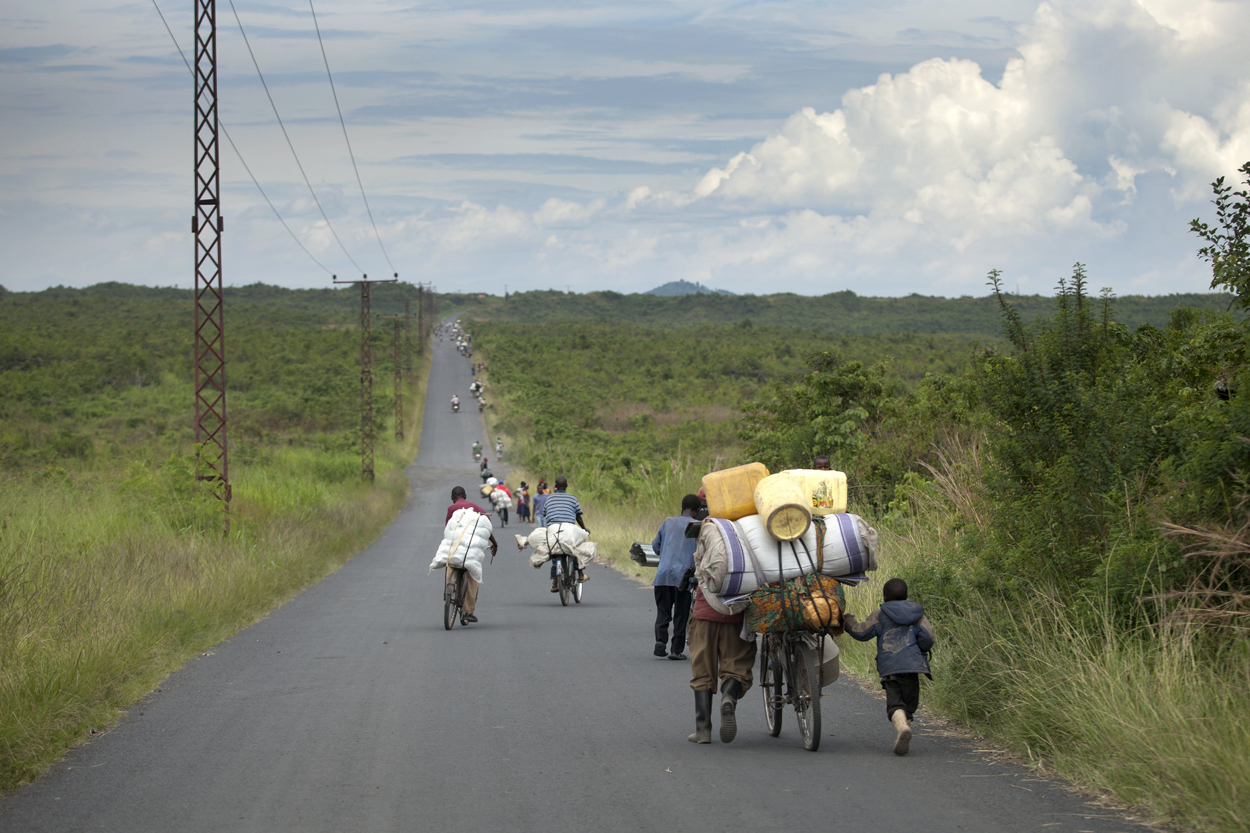
Seven million people have been displaced within Congo since 2022, owing to some of the most intense escalations of armed conflict between government forces and Rwanda-backed rebels in over a decade. More than 120 armed groups currently operate in eastern Congo, fighting for control of valuable minerals, resources, and territory while perpetuating ethnic conflict. The largest of the paramilitant insurgents, the March 23 Movement (M23), launched a rapid advance in 2025 that captured a number of key cities and territory, with armed disputes continuing into 2026. The ethnic tensions between the Tutsi and Hutu communities that have precipitated much of the conflict today trace back 30 years to the 1994 genocide in Rwanda.
For civilians, the result is a crisis decades in the making that compounds on itself. In the country of 116 million, nearly 27 million people face crisis levels of food insecurity, while more than 8.2 million children and pregnant women are in need of nutritional assistance. Families already uprooted or broken by violence are left vulnerable to the predations of hunger and disease in displacement camps, often without basic medical care.
Humanitarian aid can blunt the suffering in some parts, but it cannot substitute for basic law and order. Even then, humanitarian aid actually reaching Congo has fallen far short of its target budget due to severe funding deficits by United Nations humanitarian partners. As of March, only 30.2 percent of the planned $1.4 billion USD had been received.
The crisis in Congo is a stark example of the collapse of security and institutions in a state. When armed militias are able to control swaths of territory and families are forced into overcrowded displacement camps, the downward spiral of disease, hunger, and violence compounds one another. The crisis will continue, as it has for years, until basic conditions of order are restored: roads safe enough to travel, authorities capable of protecting civilians, and institutions strong enough to coordinate relief.
Congo’s latest Ebola outbreak is a reminder that when civil order collapses, every other human vulnerability will grow worse. Violence, hunger, and disease do not remain separate crises for long without the guardrails of civil order. Instead, they merge into one.
Image licensed under CC BY-SA 2.0.