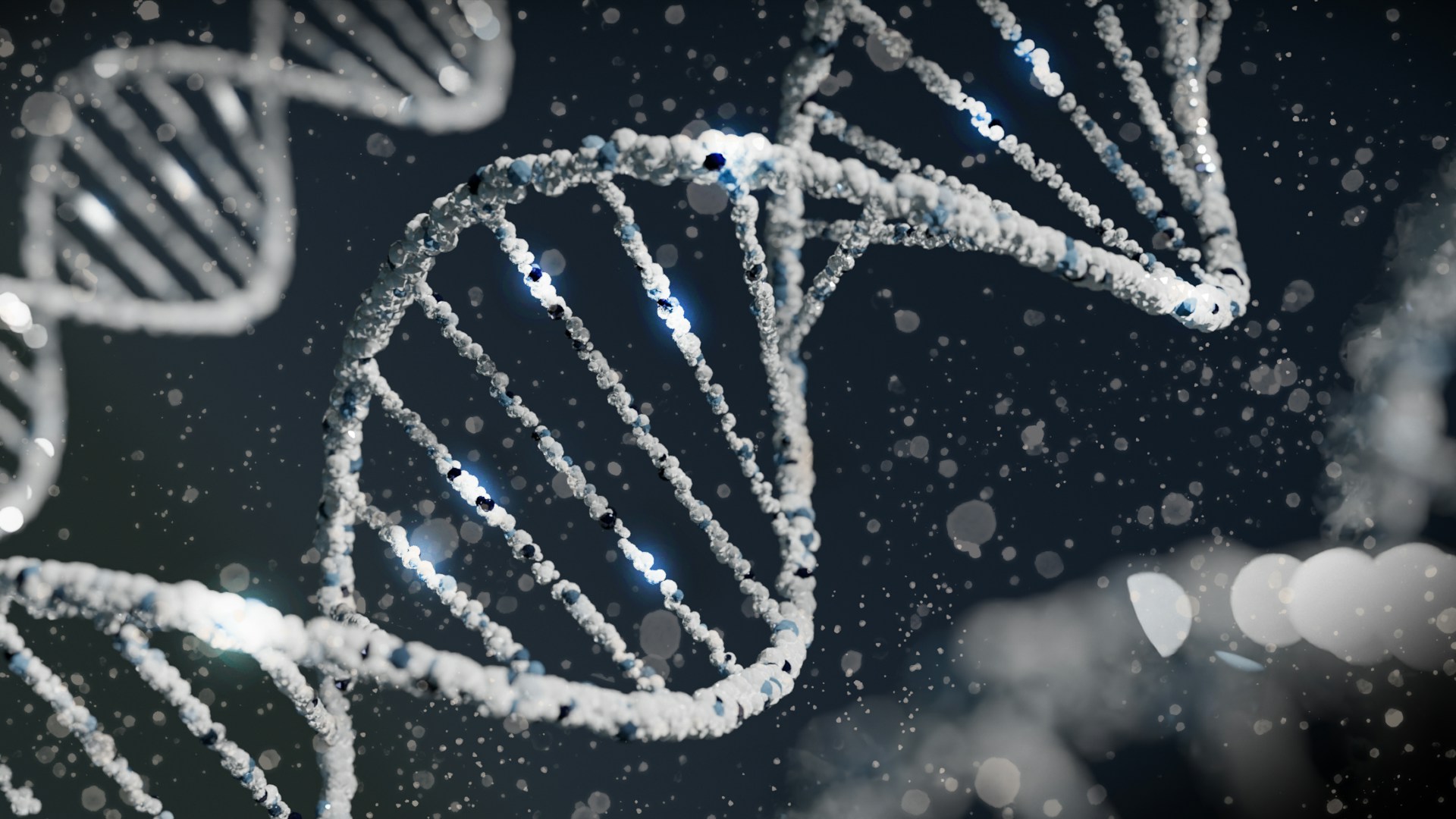


A new scientific paper published last week by Dr. Dieter Egli and his genetics research team at Columbia University examines a new gene editing technique that could eventually replace earlier CRISPR-based technologies. The new technique, known as base editing, allows researchers to change a person’s genetic code. As the paper explains, base editing is a process that involves purposely creating nicks and mismatches in a “defective” gene sequence, and then repairing these sequences “in human embryos, allowing specific on-target changes without genotoxic consequences.”
Base editing is promoted by Dr. Egli as a safer alternative to other gene-editing technologies. Many people are familiar with the groundbreaking 2012 invention of CRISPR, one of the original gene-editing techniques. According to the Innovative Genetics Institute, CRISPR works by using a protein called Cas9 as a pair of metaphorical “molecular scissors to cut DNA.” And “when DNA is cut, it creates an opportunity to change the DNA sequence at and around the cut site by harnessing the cell’s natural pathways.” CRISPR was later approved for use in treating certain hereditary diseases. However, scientists have always recognized the risks involved in the technology, whether it be cutting out the wrong gene sequence or other harmful side effects.
Base editing seeks to eliminate these major risks. Andrew Walker from World magazine describes the distinction this way: “If CRISPR is like using scissors to remove a defective gene, base editing is like using a pencil to rewrite the gene. This does not result in the chromosomal abnormalities seen in CRISPR.”
Dr. Egli has emphasized that the technique is not available for public use yet. He said, “We’re not saying this is going to be used tomorrow in the clinics.” Nevertheless, the work he and his team have accomplished has opened the possibility of future genetic changes before birth.
This advancement brings new concepts like the popular phrase “designer babies” into the conversation. Such interventions would provide parents with the opportunity to change hereditary illnesses and other genetic abnormalities in their unborn children, but they also come with many ethical considerations. Is any medical correction morally acceptable for unborn children who have no say in the matter? Additionally, if one accepts correcting harmful medical mutations as ethical, what is the line between treatment and enhancement of traits? Are traits like blindness and Trisomy 21 things we should avoid?
Clearly, this technology warrants a word of caution. Theoretically, it could be used to alter intelligence, appearance, height, or athletic ability. This goes beyond fixing a genetic abnormality. This picking and choosing is not a distant dystopia but is already taking root in IVF practices, where couples can filter through different embryos and pick their “ideal” child.
Recent headlines like that of the YouTuber couple who publicly documented the abortion of their unborn son, diagnosed with Down syndrome, show us that our culture has increasingly made eugenics a culturally acceptable phenomenon. Some parents are not interested in creating life outside of the medically “healthy” norm. The Ridgways are prime examples of people who would rather have no son than one with Down syndrome, and that is a devastating reality.
Additionally, another important consideration of this new technology is “the potential for these edits (or mistakes) to be passed on generationally,” as Katelyn Walls Shelton, a bioethics journalist, writes in an X post. Dr. Egli’s research paper also acknowledges the experimental nature of the base editing technology and encourages continued further research.
Caroline Peterson is an editorial intern at The American Spectator.