The increasing atmospheric CO2 has overwhelmed the environmentalists. It’s made them fizzy. And they can’t claim that any new, associated heat has made them delusional, because it ain’t happenin’.
The uncooperative climate and plummeting economy have attempted to deliver a one-two bitchslap smackdown of a wakeup to the global warming alarmists, but they still snooze. They instead cling to the nuns of their religion, hoping to inflate yet another economic balloon: that of a punishing carbon cap-and-trade system, which would heavily tax coal and oil as energy sources in a phony, “market-based” rationing system. The boom-and-bust bad examples of 1990s exuberance, Enron speculation, and the twin bastards of the federal government have not been a lesson learned by these environoiacs. They want AIG on their faces too.
How wedded are they to their anti-fossil fuels scheme? They can’t help themselves; they return to Carter-era policies like the Proverbs 26 pooch. It is convulsive and compulsive.
Real consequences mean nothing to them. Instead the warmers’ intemperate climate doomcasters and economics imaginarians collaborate to condemn the energy status quo, in favor of prospective sunshiny days that energize solar panels but don’t heat the planet. It’s a future that abounds with “green” jobs and a “new energy economy,” where smatterings of vista spoiling (for non-elitists, that is) wind turbines light the nation. And you know how much waterfront and ridgeline the non-elitists own.
The alarmists have pushed their agenda with amazing arrogance. With the election of their head-swiveling screen reader, they believe the end of their double decade journey to a decarbonated utopia is near, and they have trash-talked all the way.
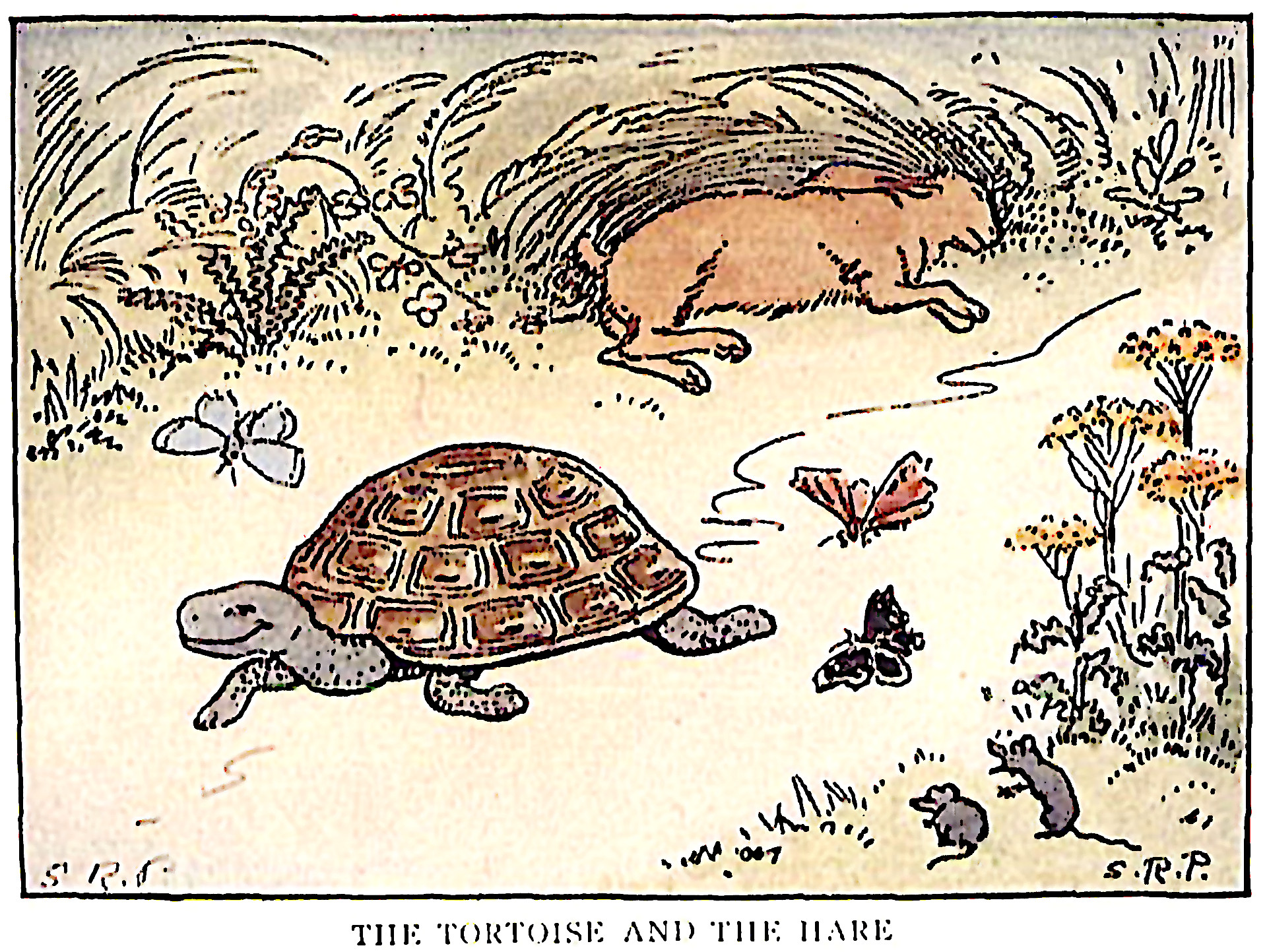
But despite this hare’s once huge lead, we are now at the point where the tortoise has passed the napper. Why? Because the rhetorical inanity of claims to eco-economical benefit by the Green Genies (outrageous, he screams and he bawls) has been overtaken by the economy’s current state, and by the newfound understanding that phony markets based on worthless paper collapse and erase assets.
Those who understand all sides of an economic equation (job destruction as well as job creation; costs as well as benefits) have examined the likely trauma that would be inflicted by cap-and-trade. It all started last year with the scrutiny of the Greens’ grail: the Lieberman-Warner Climate Security Act. The expert economists at the American Council for Capital Formation (at the behest of the National Association of Manufacturers) foretold the scars and found brutality (PDF):
Under (Lieberman-Warner), the United States would lose between 1.2 and 1.8 million jobs in 2020 and between 3 and 4 million jobs in 2030. The primary cause of job losses would be lower industrial output due to higher energy prices, the high cost of complying with required emissions cuts, and greater competition from overseas manufacturers with lower energy costs.
Higher energy prices would have ripple impacts on prices throughout the economy and would impose a financial cost of $739 to $2,927 per year by 2020 on national households, rising to $4,022 to $6,752 by 2030.
Most energy prices would rise, particularly, coal, oil, and natural gas. The price of gasoline would increase between 60 percent and 144 percent by 2030, while electricity prices would increase by 77 percent to 129 percent. US consumers would pay between 84 percent and 146 percent more for their natural gas by 2030.
ACCF isn’t alone in its analysis. The Congressional Budget Office director also testified Thursday that drags on the economy would result from cap-and-trade:
REP. (DAVE) CAMP (R-MI): Would a climate change policy that places a price on carbon — would that mean higher energy prices across the entire economy?
CBO DIRECTOR (DOUGLAS) ELMENDORF: Yes…at any point in which we are putting a price on carbon emissions, that would be passed through to the cost that consumers face on energy products but also all other products that are made using fossil fuels.
REP CAMP: When CBO estimates the impact of imposing say a cap-and-tax system on the economy, isn’t it true that when CBO scores those proposals, that it assumes the increases on energy taxes act as a drag on the economy and thereby reduce other income and payroll receipts?
CBO DIRECTOR ELMENDORF: Yes. An indirect tax — sales taxes, all sorts of other indirect taxes — and the carbon tax — so the price of cap-and-trade allowances would fit in that category. That kind of revenue would then reduce the income that people have and the taxes they pay to the government.
This economic reality also burdens lesser schemes, as studies of the Western Climate Initiative by the Beacon Hill Institute (PDF) and another commissioned by the Western Business Roundtable have shown.
Bored with the economists? Then ask some of the president’s allies in the Senate. Ask his pals in Europe, where cap-and-trade has not reduced emissions or produced a thriving “green” economy. Ask state lawmakers who, when now faced with the prospect of wrecking their own economies, can’t stomach the idea.
Just don’t ask the alarmists. They live in an alternate reality and while pleasurable for the few of them, it scares (VIDEO) the rest of us. That an increasing number of elected officials are more frightened by these actual cap-and-tax ramifications, rather than phony global warming projections, offers hope.