


Government is the greatest enemy of freedom. We have known this since childhood. But the government has grown tentacles — distant relatives, and even necessary collaborators. And they are everywhere, sharing the same common purpose: to make our lives more difficult. With a conservative government, we have rid ourselves of a large part of the first threat, but we have not yet eradicated the disease entirely. In private capital corporations, in the media, in the fashions, habits, and customs of each era, and in the viscous moral depravity of a godless world, countless prisons lie hidden, trapping us while promising that we live in a world freer than ever before.
Culture was once a guarantee of freedom. Knowledge made us freer. Back then, culture meant the classics of literature and the films of that mainstream Hollywood whose purposes, in this order, were to entertain and to make us better people. The more cultural and intellectual a work was, the more niche it became. Freedom was a kind of elitism.
Today, things are different. Culture has become more pop than ever. It has expanded and now dominates the world, reaching far beyond the limits of governments. Culture is no longer Don Quixote and Thomas Aquinas, but Netflix and a content creator living in a garage surrounded by pizza boxes and empty beer cans, whose only contact with the real world is video games and reels of normalized porn actresses on TikTok. When we fought the cultural battle against that garbage, it was for a reason: because supposedly private wokeism had become more invasive than the perverse actions of governments and public authorities. But it would be absurd to believe that we will be free again simply because trash like Barbie stops finding funding.
There exists a sociological cultural magma that is not directly related to content itself, but to the ways in which it is produced and disseminated. Different technological advances have changed our way of life — think of radio or television. Because of them, we lost some freedoms — perhaps family time — and gained others — information, which makes us freer. The same can be said of social media or the invasion of AI. The great difference lies in how much freedom they take from us, and what they offer in return.
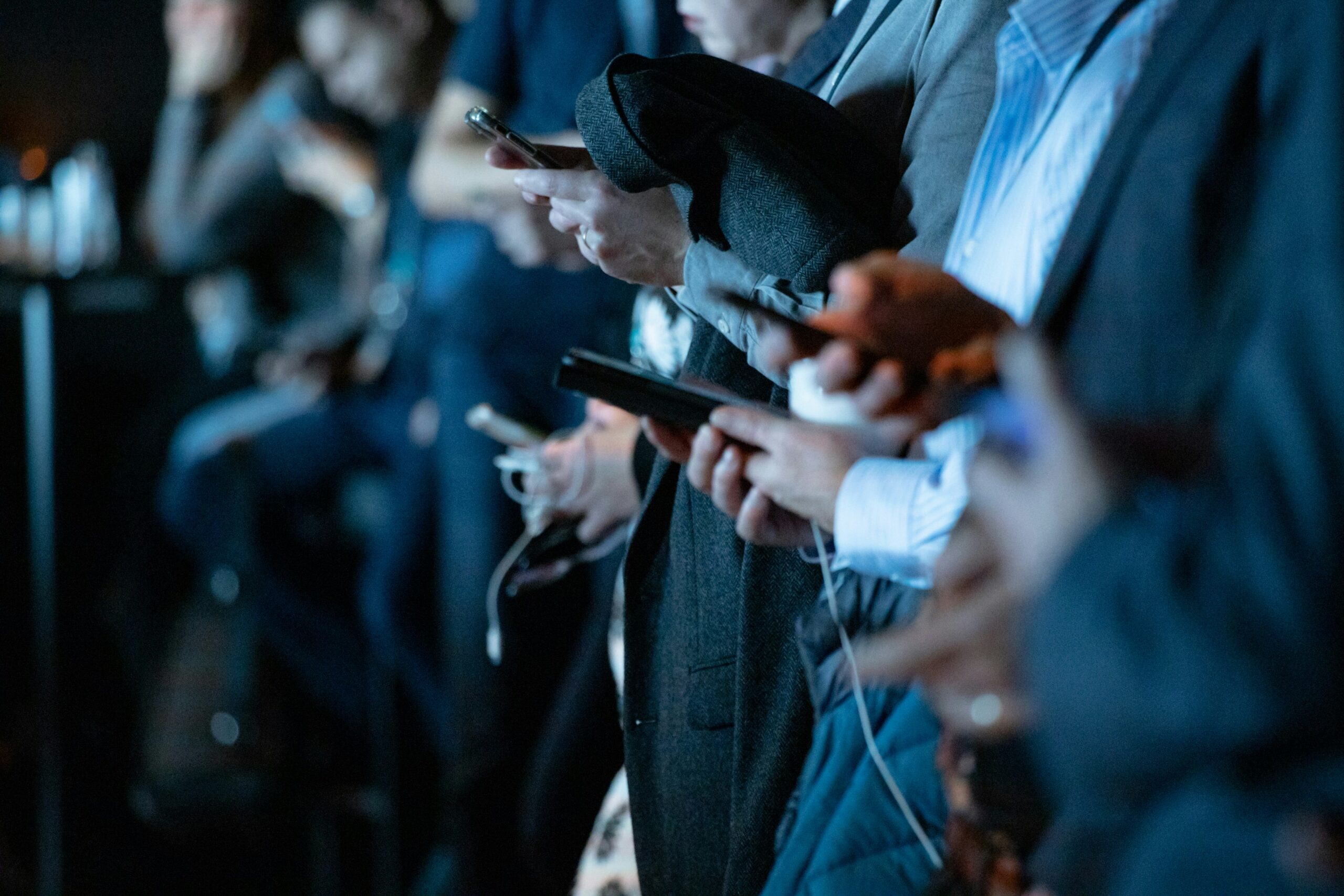
We are freer when a reel exposes government corruption, but we are less free insofar as we need, like addicts, to scroll through 3,000 reels a day just to feel good.
We are freer when a reel exposes government corruption, but we are less free insofar as we need, like addicts, to scroll through 3,000 reels a day just to feel good. Reels, tweets, bikini photos on dating apps, roulette wheels spinning on online betting sites. And behind it all lies a diabolical weapon, as we have seen a thousand times: a dark algorithm we do not know, but which knows everything about each of us — including the precise way our subconscious is most easily defeated — violating our will, which is precisely what allows us to exercise the freedom we have won.
I am not in favor of large-scale interventions. And I sincerely implore that no government intervene to save us from the addictions — or whatever you want to call them — that curtail our freedom today. If the government were to gain control over the algorithms that now ensnare and deceive us, it would not free us from them; it would simply multiply the dose to satisfy its insatiable greed.
Still, my goal for 2026 is to fight for my freedom — and for everyone’s. And the first step is recognizing that, after freeing ourselves from a far-left government, and after making significant progress in the culture war by defeating wokism, our most urgent task now — as conservatives, and indeed as human beings — is to free ourselves from the invisible bonds that restrain us, reshape our behavior, our tastes, and our hopes, and lead us to unknown places potentially more dangerous than our old, clearly identified enemies.
Freedom is even more threatened when we consider that behind the forces that now dominate our lives stand magnates we know by name — and I very much doubt they possess the pure and honest vocation of a Saint Ignatius of Loyola. From social networks to apps that make our lives more convenient while geolocating every movement, purchase, and click; from AI that forces us into the constant dilemma of asking Grok — another AI — whether something is real or not, to the compulsive shopping induced by platforms like Temu through psychological warfare techniques and the dirty manipulation of data and emotions.
It is a manipulative virus that will undoubtedly spread soon to all channels of commerce and communication, unless consumers reclaim old ethics — a minimum of nobility between seller and buyer — and unless large corporations begin to compete to make us freer, not more enslaved.
This is not the first time we have confronted invasive, colossal enemies, and victory has never come easily. But there is a reason for hope: for the first time in history, we are fighting something — an algorithm — that can be short-circuited by a glass of water poured right on top of it.
READ MORE from Itxu Díaz:
2025 Unfiltered: Politics, Pandemonium, and Peculiar Peace
Cooking to Scare Friends and In-Laws
Chronicle of the Final Hours Leading to the Salvation of the World




















