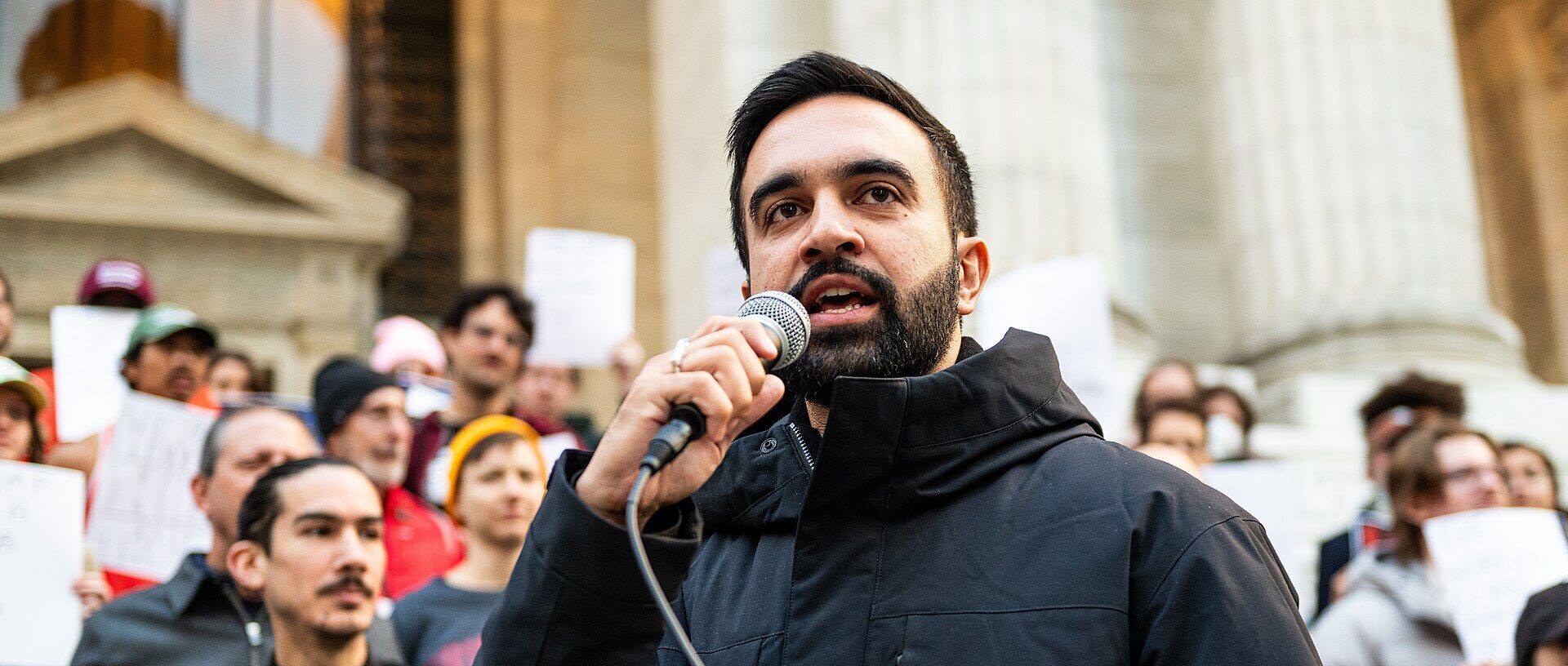


If there’s one thing New York Mayor Zohran Mamdani understands, it’s how the cost-of-living impacts disaffected voters. From fare-free buses to subsidized childcare, the young mayor won his race in 2025 on an “affordability agenda” that framed the election in economic terms everyone understands.
This trend has picked up steam. From Republican California gubernatorial candidate Steve Hilton to Democratic candidate for U.S. Senate in Michigan Abdul El-Sayed, candidates across the country are promising to make life in America more affordable.
As the 2026 midterm elections approach, Republicans have a big opportunity to jump on this trend and build a coalition around the affordability crisis that could last well beyond the current election cycle.
Mamdani critics love to point out that his voting base is not truly working class. That’s true, but that’s not persuading anyone. The best answer to the rise of socialist policies like subsidies, price controls, and more government spending is to show how conservative policies work better. Republican candidates need a forward-looking vision for how to address high rent costs in America’s cities, the ballooning price of health insurance, perpetual cycles of inflation facing consumer goods, and more. (RELATED: America’s Socialists Have Already Lost)
This doesn’t mean turning to quick-fix solutions like scapegoating private equity or bending to leftist agendas on Obamacare. Rather, the answer lies in carefully articulating a broad vision for the economy and how these core issues will face change. (RELATED: The West Is a Superior Civilization (And I Don’t Care If That Offends You))
It is often tempting for the Right to counter Democratic affordability proposals with philosophically based ideological critiques. That would be a mistake.
It is often tempting for the Right to counter Democratic affordability proposals with philosophically based ideological critiques. That would be a mistake. Voters don’t experience inflation, rent, or insurance premiums as debates over the size and scope of government; they experience them as bills they have to pay. Republicans need to communicate how free markets, competition, and innovation produce lower costs. (RELATED: The Return of Socialism and the GOP’s Golden Opportunity)
Healthcare is perhaps the clearest example. Americans want more than simple assurances that markets work — they want to see their premiums come down. Republicans should present a vision that removes outdated regulations driving prescription drug costs and copays higher; that accelerates medical innovation and embraces technologies like artificial intelligence, reducing administrative burdens and improving patient care. (RELATED: Why Your Phone Got Cheaper — and Your Health Insurance Didn’t)
The argument isn’t that the government should disappear. Nobody wants their doctor’s office to become an anarchic fantasy. It’s that a more dynamic healthcare system can deliver better care at lower cost than one weighed down by bureaucracy.
Housing offers an equally powerful opportunity. Too often, both parties treat America’s housing shortage as a problem to subsidize rather than solve. A conservative affordability agenda should focus on making it easier to build: reforming restrictive zoning, modernizing permitting, reducing unnecessary regulatory costs, and encouraging local governments to approve new development. Families don’t need more programs to help them afford scarce housing — they need more housing.
Energy deserves equal attention, as households see higher electricity bills and demand skyrockets with the proliferation of data centers. Affordable, reliable energy helps to keep the cost of utilities low for families, businesses, manufacturing plants, and cloud computing. Republicans should make domestic energy production part of the affordability conversation rather than treating it as a separate debate against environmental extremists.
The affordability debate isn’t going away after one mayoral election or one midterm cycle. Rising housing costs, expensive healthcare, and persistent inflation have fundamentally reshaped what voters expect from elected officials. The question now is which party will persuade voters that it has the better answer.
If Republicans allow Democrats to own the language of affordability, they will spend years arguing against policies instead of offering a more compelling alternative. But if they embrace affordability as the defining economic challenge of this era — and confidently make the conservative case for growth, competition, and innovation — they won’t just win an argument. They can build a durable governing coalition that follows it.
READ MORE from Sam Raus:
Chicago’s Tax on Free Social Media Usage Is a Bad Idea
COVID Is Over, So End the Obamacare Subsidies Entirely
Image licensed under Creative Commons Attribution 4.0 International.