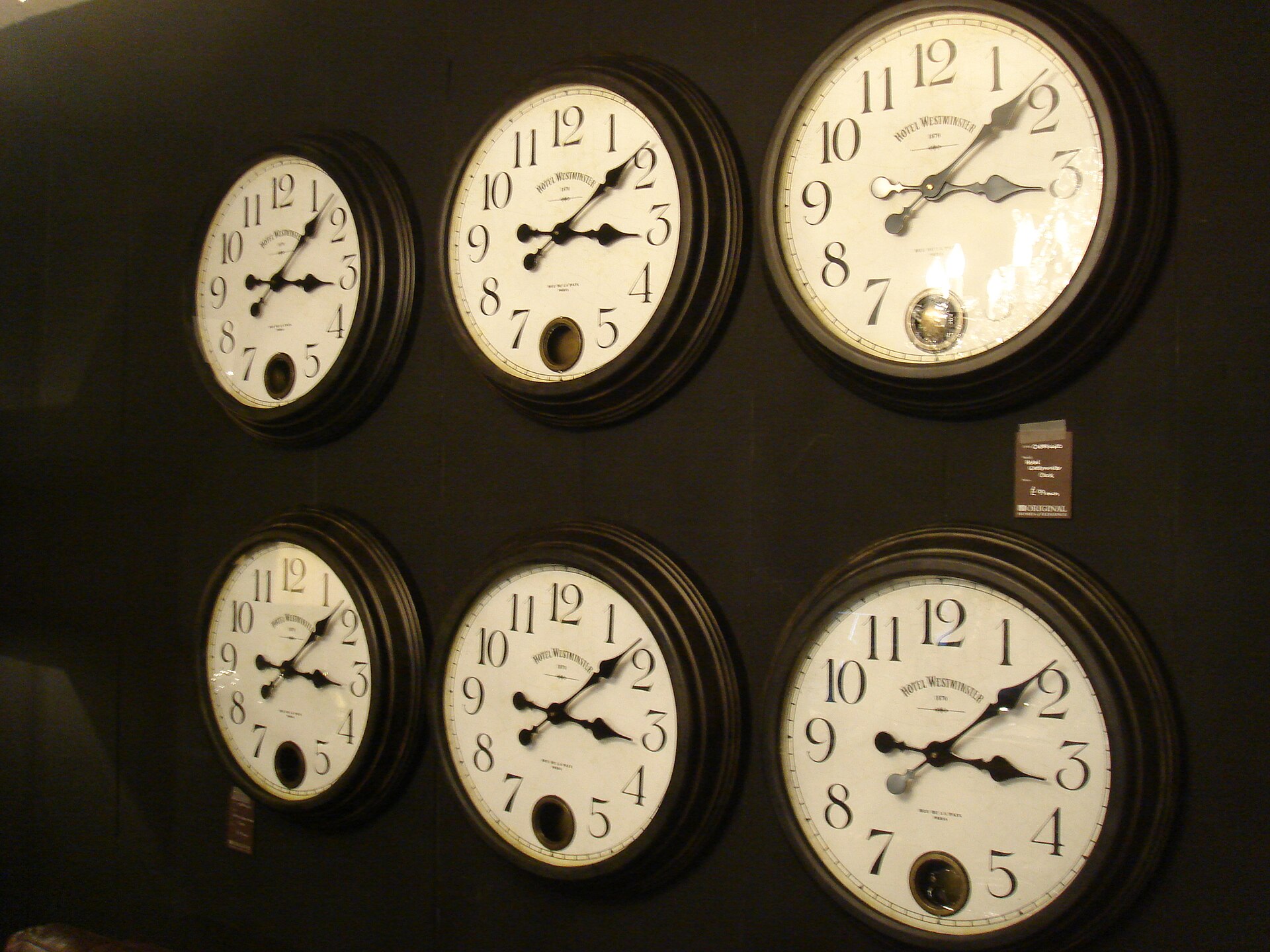


On Tuesday, July 14, 2026, the U.S. House of Representatives passed the Sunshine Protection Act (H.R. 139), a bill aimed to eliminate twice-annual clock change, by a vote of 308-117.
The Act will make daylight saving time (DST) permanent across the U.S., although states have the option to opt out and instead use permanent standard time if they act before the bill officially takes effect.
Rep. Vern Buchanan (R-Fla.) has been a longtime supporter of this bill and has introduced it to Congress yearly since 2018. Buchanan posted on Tuesday, “Today, the House took an important step toward ending the outdated practice of changing our clocks by passing my Sunshine Protection Act.” Rep. Kat Cammack (R-Fla.) added to the House discussion saying, “Let’s stop asking Americans to reset their clocks every March and November. Let’s provide some certainty and consistency and a little more sunshine at the end of the day.” Following the House vote of the Sunshine Protection Act, Rep. Scott DesJarlais (R-Tn.) played the famous Beatles song, Here Comes the Sun to celebrate the bill’s passage.
Other pro “lock the clock” representatives in the House said permanent DST will promote active lifestyles for families in the evenings and significantly reduce street crime in areas where darkness originally provided cover. Additionally, they say moving to a permanent time schedule will improve young children’s sleep and save money on the many dollars spent changing clocks annually.
President Donald Trump has long advocated for this switch in America. He posted, “It’s time that people can stop worrying about the “Clock,” not to mention all of the work and money that is spent on this ridiculous, twice yearly production.”
Florida was the first state to ever pass permanent DST in the U.S. and many Florida legislators have since advocated for a nationwide bill. However, many states such as Hawaii and Arizona already have permanent Standard Time laws, giving the morning hours the extra sunshine instead of the evening. The current debate is not DST vs. the status quo, but DST vs. Standard Time.
Dissenters against the act argue dark mornings will lead to economic consequences and safety issues for children traveling to school, and these concerns outweigh the benefits of brighter evenings. Some responses on X accused congressmen who voted for DST of giving the country an economic boost, saying they are pandering to golf industries, restaurants, and other retailers who would benefit from evening sunlight.
The bill now heads towards the U.S. Senate, where its chances of passing are not assured. Currently the Senate companion legislation (S. 29) has 18 cosponsors. These include Florida Sen. Rick Scott (R-Fla.) who advocated for the bill saying, “I’m thrilled that the house has finally passed it. The Senate needs to take it up NOW and send it to President Trump‘s desk.”
Time is more than just what appears on our clocks. Increased morning light could mean safe commutes. Brighter evenings would positively affect local economies and give American families the opportunity to enjoy the outdoors after work and school. As the Senate weighs whether to make DST permanent, they would do well to consider these factors.