
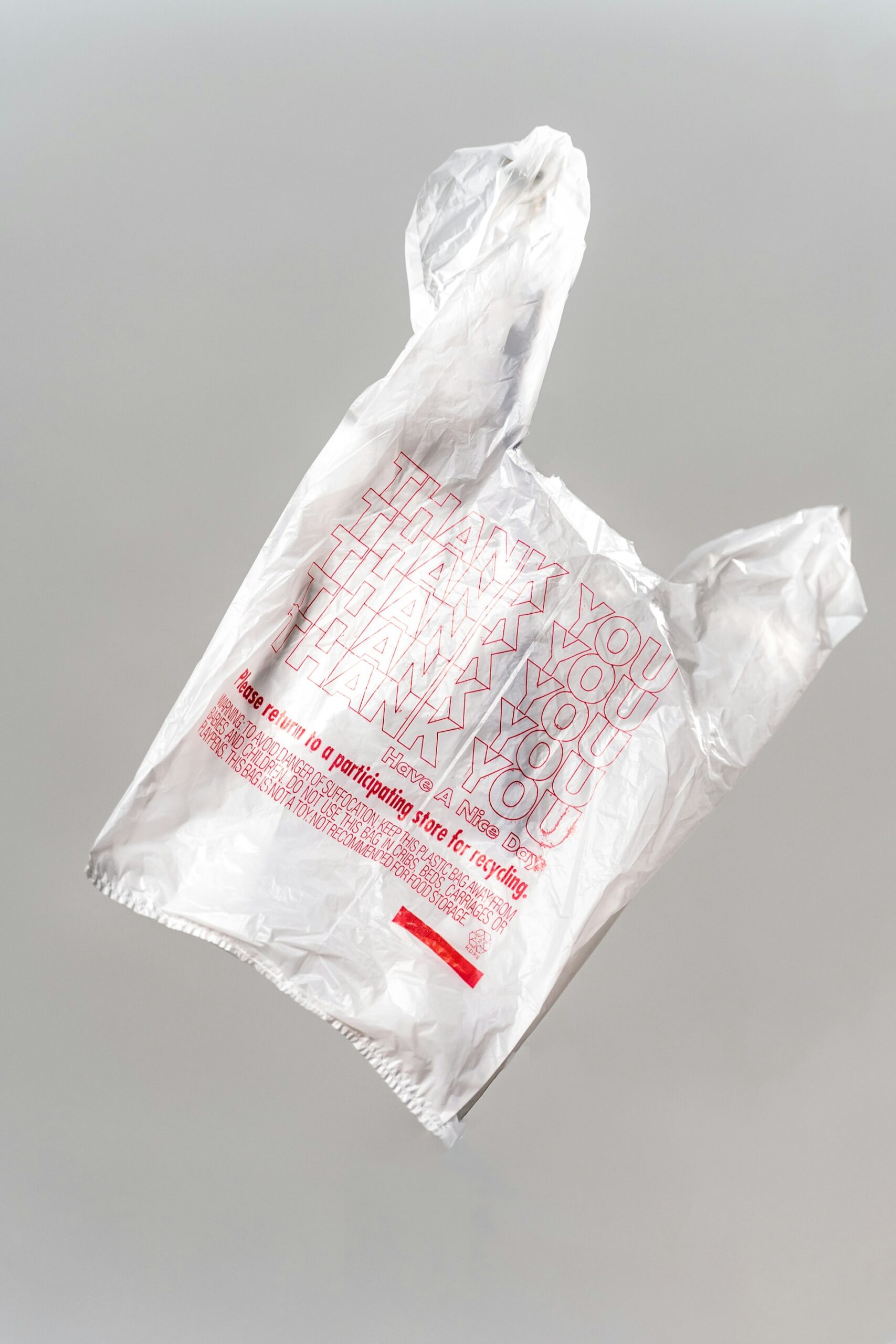


SACRAMENTO, Calif. — California enters the New Year facing an $18 billion budget deficit, a slow-as-molasses rebuilding from last year’s Los Angeles–area wildfires, and a variety of ongoing problems, including persistent homelessness rates, soaring housing costs, and traffic gridlock. But my first column of the year focuses on something small but symbolic: a new law forbidding grocery stores from providing plastic bags. Passed in 2024, Senate Bill 1053 went into effect on Jan. 1 after the Legislature gave grocers a year to come into compliance.
I’m majoring in the minors here because the measure reminds us of the degree to which the state’s “groundbreaking” environmental laws often accomplish little other than annoying the public. When you go to the grocery store, you’re now stuck dragging along those old canvas or non-woven plastic bags you’ve stuffed in the car trunk or under the seat — or purchasing for at least 10 cents each heavy-duty recycled paper bags that were common in the 1970s.
SB 1053 “eliminates the exemption of thicker plastic film bags from the state’s single-use bag ban” and “stipulates that only recycled paper bags, as defined, are permitted to be sold at point of sale,” per the Senate Floor Analysis. Bill author Sen. Catherine Blakespear, D-Encinitas, explains the rationale: “Eliminating plastics is about fighting big oil.… To save the planet, our energy transition must go hand in hand with a plastics transition.” You get the gist of it.
But here’s the mind-boggling part. In 2014, the state passed Senate Bill 270, backed by a similar litany of environmental groups who pointed to the same laundry list of pollution problems caused by plastic grocery bags. That measured banned those thin supposed “single-use” bags. I write supposed because many of us typically used them twice as we hauled home groceries in them and then used them to line waste baskets or toss the cat litter.
The grocery lobby also supported it, arguing that the measure was an improvement over dealing with the multiple municipal plastic-bag bans that were the rage at the time. It didn’t hurt that grocery store could then charge 10 cents a bag for bags that they used to hand out for free. Plastic bag manufacturers were given $2 million to retool their equipment, but they backed a 2016 referendum, Proposition 67. The “yes” vote won and the ban went into effect in 2016. (With referenda, a “yes” vote keeps the law and a “no” vote overturns it.)
Bag-ban supporters made all the same promises that SB 1053’s supporters now make. This is from the Yes on Proposition 67 campaign: “A YES vote will help keep discarded plastic bags out of our mountains, valleys, beaches and communities, and keep them beautiful.” Blakespear praised that 12-year-old bag ban as an “incredible step forward” but acknowledged that it didn’t work out as planned. Basically, SB 270 exempted thicker plastic bags, which it described as reusable. At the time, the Senate Environmental Quality Committee raised the obvious question: “Will consumers actually reuse these slightly thicker bags at least 125 times or will these bags be treated more like single-use bags?”
Now we have our answer. On a personal level, I found thin “single-use” bags ideal for reusing as they took up little space and had myriad uses. I disliked those thick “reusable” bags because they were too big to be stuffed in my pocket to, say, pick up dog poo on my evening walk. So I immediately chucked those bags. But one need not rely on anecdotal evidence to see what took place since 2016.
“[B]ecause of a loophole in its initial ban that allowed grocers to charge for thicker plastic bags, California still dumped 231,072 tons of plastic grocery and merchandise bags in landfills in 2021, according to the state’s recycling agency, CalRecycle. That was a sharp increase from the year the ban took effect — and nearly 100,000 more tons than in 2018,” per a 2024 report from Oregon Public Broadcasting.
Instead of recognizing its own failure to properly legislate, California did what it often does: It sued the oil companies. “For decades, ExxonMobil has been deceiving the public to convince us that plastic recycling could solve the plastic waste and pollution crisis when they clearly knew this wasn’t possible,” said Attorney General Rob Bonta. There’s always scapegoat, and government never is to blame.
The new law pushes us to use genuinely reusable canvas or even-heavier-duty plastic bags, but those are the same types of bags the state feared could spread germs during the pandemic. I’m guessing that many consumers will simply opt to spend the extra 50 cents or a dollar per shopping trip to buy a few paper bags and then throw them in the recycling bin. Such consequences might be unintended, but they certainly are predictable.
As the Recyclable Plastic Ban Alliance argued in opposition to SB 1053, “Passing this bill would likely trigger increased plastic use through the implementation of NWPP bags (as happened in New Jersey), eliminate the use of 183 million pounds of recycled content in California each year, exacerbate our carbon footprint and significantly raise costs for working families.” NWPP stands for Non-Woven Polypropylene bags that often are imprinted with store logos.
Keep in mind why Americans switched from heavy recyclable paper bags to thin plastic bags in the first place: “A 2005 life-cycle analysis commissioned by the Scottish government found that manufacturing paper bags consumes 10 percent more energy than manufacturing conventional plastic bags, uses four times more water, emits more than three times the amount of greenhouse gases, generates 14 times more water pollution, and results in nearly three times more solid waste,” reported Reason’s science correspondent Ronald Bailey in 2022.
Around and around we go, as lawmakers make grandiose pronouncements about saving the environment — then pass laws that make the situation worse. But at least they make shopping more annoying, which will teach us about the evils of our consumer lifestyle.
Steven Greenhut is Western region director for the R Street Institute. Write to him at [email protected].
READ MORE:
Coming Initiatives Inspire Fear in Sacramento




















