
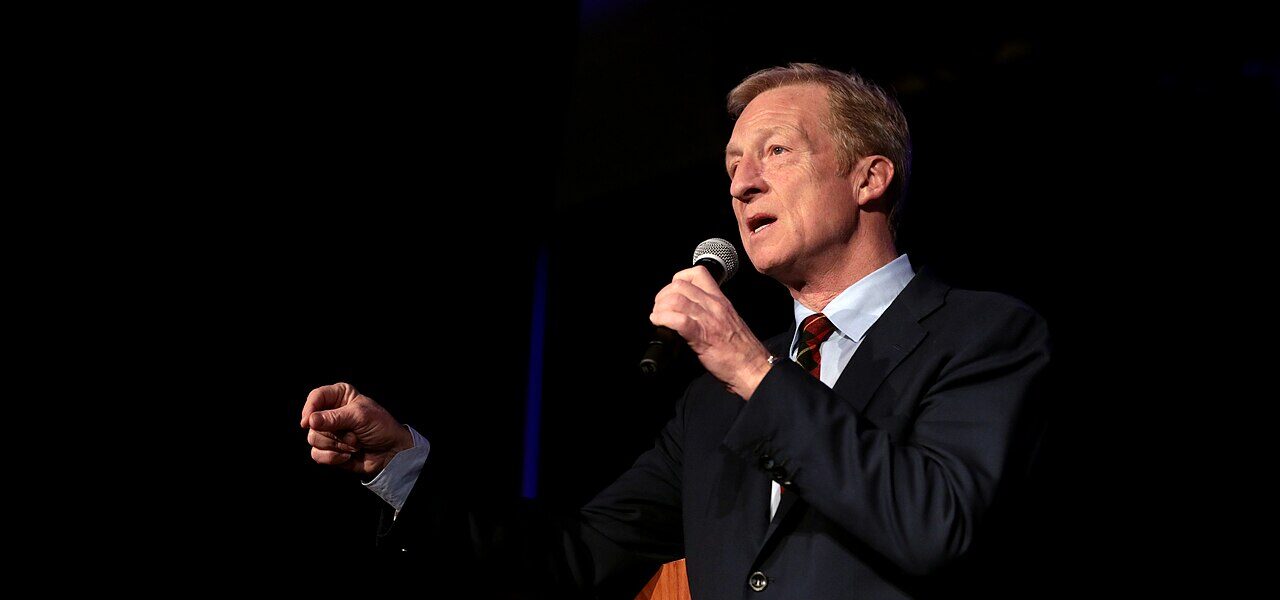


Tom Steyer, the billionaire climate activist running for California governor, promises to cut electric bills by 25 percent by breaking up big utility companies like PG&E and Southern California Edison. In his ads, he boasts about fighting oil and gas companies, like when he helped kill Proposition 23 back in 2010. But here’s the problem: California’s economy runs 84 percent on fossil fuels. It powers our cars (mostly petroleum), factories, homes for heating (mostly natural gas), and even backs up our electricity (gas plants fill the gaps). Steyer’s war on these companies ignores simple supply-and-demand math, making his bill-cutting talk ring hollow. My Southern California Edison (SCE) bill during winter rates are 25 cents per kilowatt-hour off-peak, spiking to 59 cents during peak hours — more than double Texas’s 14-18 cents or Florida’s 15-16 cents. Those states deal with hurricanes and wildfires, too, but without California’s absurd rules making energy essentially unaffordable.
Steyer’s plan is more of the same with no real change. On his campaign site and in op-eds, Steyer says the core of his energy plan is to “break up the utility monopolies” and “lower electric bills by 25 percent,” arguing that investor-owned utilities like PG&E are “state-sanctioned monopolies” that have been allowed to raise rates while earning “government-backed, double-digit profits.” In a LinkedIn announcement and social media videos, he repeats the same message: Californians can’t afford life here because “monopolistic” utilities and other “powerful interests” are being “coddled,” and he promises to “break up the monopolistic power of utilities” and make corporations “pay their fair share.” (RELATED: The Greens’ Daddy Warbucks Helps Himself)
What he does not do in these materials is promise to roll back California’s aggressive climate timeline, loosen drilling restrictions, or rethink the state’s push toward 100 percent “clean” electricity by 2045.
What he does not do in these materials is promise to roll back California’s aggressive climate timeline, loosen drilling restrictions, or rethink the state’s push toward 100 percent “clean” electricity by 2045. In fact, his long record as a climate activist and investor in decarbonization strongly signals he intends to stay within that framework. Given his record and current messaging, under a Steyer plan, several big things likely stay the same:
- Climate goals and mandates: He has spent years funding campaigns to strengthen climate laws and expand renewables standards, and nothing in his governor platform suggests slowing or scaling those goals back. Utilities would still have to meet some of the toughest renewable and emissions rules in the world, which are a major reason California’s per-kWh prices are far above Texas or Florida.
- Restrictions on oil and gas: Steyer built his political brand on “taking on the oil companies” and backing measures that tighten rules on drilling and refineries. His affordability message never mentions expanding in-state production or easing permitting, so California would likely continue importing most of its oil and relying on refiners under heavy constraints.
- Overall regulatory direction: He criticizes “corporate abuse,” not the regulatory structure. The same dense web of mandates, fees, and climate programs would remain in place; his focus is on who pays and how utilities are structured, not on simplifying or shrinking those obligations.
In other words, the expensive rulebook and the hostility to in-state oil and gas that help keep California’s energy costs high would stay essentially intact. The part Steyer clearly wants to change is who runs the power system and how profits are made, not the underlying energy mix or mandates:
- He says he will break up the utility monopolies and reduce electric bills by 25 percent, but offers no detailed model yet — whether that means more retail competition, municipal takeovers, or some hybrid.
- He frames utilities as “coddled powerful interests” that have used their monopoly status and political clout to win guaranteed profits while pushing rising costs onto customers.
- He ties this into a broader populist promise to “make corporations pay their fair share” and redirect money to priorities like schools and housing.
So the headline change is structural and political — reining in or restructuring investor-owned utilities — while the policy environment they operate in (100 percent clean-energy pathway, aggressive climate rules, strict treatment of oil and gas) remains essentially the same.
California could drill oil and gas responsibly — meeting high environmental standards, like the new SB 237 law streamlining permits in Kern County — while protecting our air and land. But California’s extreme rules, like SB 1137 banning new wells near homes and pushing refineries out, force us to import 63 percent of our oil from countries with looser environmental regulations, which only shifts the environmental toll elsewhere, so California can falsely virtue signal about being climate-friendly. At the same time, gasoline prices skyrocket because California requires special gasoline blends such as the “summer blend,” adding another hidden cost to policies that do little to reduce global emissions.
With oil and gas fueling 84 percent of our overall needs, we need more homegrown supply, which would bring much-needed high-paying jobs, not demonizing companies as enemies. Steyer’s “make them pay their fair share” line treats partners like villains, keeping us hooked on foreign oil. Texas and Florida show how it’s done: they welcome oil and gas, skip our renewables overload, and compete freely. Result? Low bills despite storms. Florida’s 15-16 cents per kilowatt-hour covers heavy air conditioning without our massive hikes.
Breaking up utilities will not fix fuel costs, imports, or wishful-thinking climate targets. Steyer would have to reverse course—open the door to more responsible in‑state drilling like SB 237, ease California’s special fuel blends, and scale back aggressive mandates—to have any chance of meaningfully lowering prices. Until that happens, his “affordability” message is just green branding on the same costly playbook that already has Californians paying over twice what Texans and Floridians pay for power and far more at the pump. Voters should say a firm “no” to Steyer—and to every Democrat parroting affordability talking points while defending the climate policies that keep energy prices among the highest in the nation.
READ MORE from Walter Myers:
California’s Identity Support Plans Erode Parents’ Rights
California Proposal Further Erodes Parents’ Rights
The Indian American Community Deserves Immigration Fairness
Walter Myers III is a Southern California-based senior fellow at the Discovery Institute.




















