
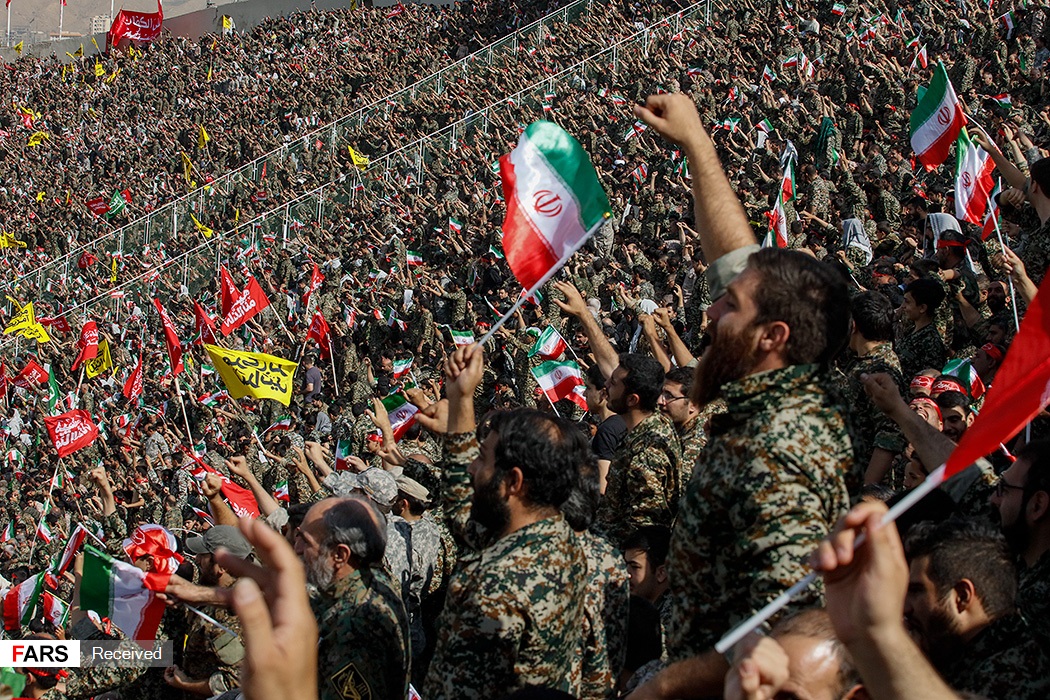


Iran’s rulers have long understood a brutal truth: they cannot defeat the United States or Israel in a conventional war. They can’t outspend them, they can’t outproduce them, and they can’t outgun them. So they rely on what Ayatollah Ali Khamenei once dubbed political judo, an asymmetric strategy where the weaker actor avoids a head-on collision, studies his opponent’s momentum, and uses the adversary’s own weight and domestic political anxieties against him. This playbook has guided Tehran for decades, and the diplomatic drama unfolding right now shows it remains the regime’s most lethal weapon.
The speed of the current pivot tells you everything you need to know. Just days after a massive military flare-up threatened a total regional war, the entire geopolitical conversation has abruptly shifted from missile strikes to diplomatic containment. High-level delegations are already huddling at the Bürgenstock resort in Switzerland. Vice President JD Vance and Iranian Foreign Minister Abbas Araghchi are sitting across from each other, claiming to make “good progress” on a roadmap forward. For Tehran, dragging the West from the battlefield to the negotiating table before the dust even settles isn’t an accidental byproduct of a crisis; it is the explicit target. (RELATED: Trump’s Retreat)
The fundamental disconnect lies in how both sides view the clock. In Washington, a ceasefire is treated as a destination, a way to defuse a crisis and get back to business as usual. In Tehran, a pause is merely a stage used to manage the crisis. By locking the West into a 60-day diplomatic process, the regime alters the entire playing field. The primary goal is to create just enough diplomatic momentum that Western powers become politically invested in preserving the “process.” Once the process becomes sacred, military options become politically radioactive, deterrence freezes, and the economic pressure built up during the conflict begins to evaporate.
Iran didn’t need a conventional military victory; it just had to survive long enough for Western fatigue to take over.
Look at the immediate friction this creates within the alliance. The ink is barely dry on the preliminary understandings, and we already see public daylight between Washington and Jerusalem. Benjamin Netanyahu openly vowed that Israeli troops would remain in southern Lebanon “as long as necessary,” explicitly rejecting the optics of a neat, immediate regional settlement.
At the same time, President Trump has been firing off social media warnings, threatening to hit Iran very hard if their proxies don’t stop causing trouble, even while his own administration tries to reassure anxious global markets that the war is over and oil prices should settle. To Iranian strategists, this public mixed signaling is pure gold. Tehran has always known that dividing its adversaries is far more valuable than defeating them on the battlefield.
The immediate economic rewards are already materializing. The interim memorandum allows Tehran to sell its oil freely and unlocks billions in frozen state assets. The audacity of the dynamic is staggering. A regime can spend years funding a network of violent proxies, from Hezbollah in Lebanon to the Houthis in the Red Sea, spark an international conflict, face intense military pressure, and somehow walk away with a license to sell oil and retrieve its cash. Iran didn’t need a conventional military victory; it just had to survive long enough for Western fatigue to take over.
Now, the administration is pointing to Tehran’s agreement to invite U.N. nuclear inspectors back into the country as a major triumph. But for the mullahs, letting inspectors take a look around is a remarkably low price to pay for a 60-day breather. (RELATED: Trump Ties His Name and Credibility to Vance’s Dubious Iran Diplomacy)
Washington treats diplomacy as a path toward permanent stability, but Tehran views it as a way to buy strategic flexibility. A pause lets the regime regroup, identify the enemy’s real red lines, and test exactly what the current White House is willing to tolerate. As Vance admitted, the current progress merely lays a foundation rather than building the house. But for Iran, a permanent foundation phase is exactly where they want to be. Temporary agreements in the Middle East rarely end conflicts; they just signal a new phase where resolve is tested, and power is quietly repositioned. That is the essence of Iranian judo, and as the talks continue today, the regime is proving once again that it plays the game with cold-eyed discipline.
READ MORE from Kevin Cohen:
When Grown Men Enter High School as Children
Image licensed under Creative Commons Attribution 4.0 International.




















